Persian Rugs Timeless Art Underfoot
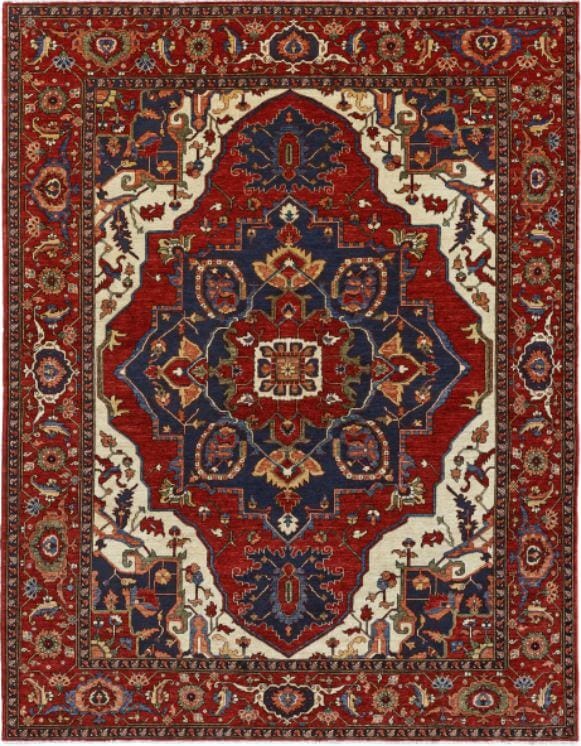
When you think of luxury, elegance, and heritage in home décor, Persian rugs instantly come to mind. These handwoven masterpieces are more than just floor coverings — they are stories told through knots and colors, echoing centuries of tradition, craftsmanship, and culture.
A Glimpse into History
Persian rugs have a history dating back over 2,500 years. Originating from ancient Persia (modern-day Iran), these rugs were initially crafted for practical reasons — to keep homes warm and cozy. However, they quickly evolved into works of art, reflecting the weavers’ regional cultures, religious beliefs, and lifestyles.
Kings and emperors prized them, traders journeyed across continents with them, and today, collectors around the world consider Persian rugs valuable investments. The oldest known Persian carpet — the Pazyryk Carpet — dates back to the 5th century BCE and proves just how advanced and refined Persian weaving was, even then.
The Craftsmanship Behind Every Knot
One of the most remarkable aspects of a Persian rug is the method of its creation. These rugs are hand-knotted, not machine-made, often taking months or even years to complete. Each rug can contain hundreds of thousands to millions of individual knots.
Weavers use natural materials like wool, silk, or cotton and dyes derived from plants, insects, and minerals. This not only ensures durability but also gives Persian rugs their rich, vibrant colors that gracefully age over time.
Designs That Speak Volumes
Persian rugs are famous for their intricate designs and patterns. Some of the most well-known include:
Medallion Patterns — A large, central motif often surrounded by elaborate floral designs.
All-Over Patterns — Repetitive motifs such as flowers, vines, or geometric shapes.
Garden Designs — Representing the Persian idea of paradise, featuring trees, flowers, birds, and water elements.
Pictorial Rugs — Scenes of daily life, mythology, or religious stories woven like a painting.
Each region in Iran has its signature style. For instance, Tabriz rugs are known for their high knot density and floral patterns, while Qashqai rugs have bold colors and tribal motifs.
Why Choose a Persian Rug?
Longevity: With proper care, a Persian rug can last for generations, becoming a treasured family heirloom.
Aesthetic Appeal: These rugs instantly add warmth, character, and elegance to any space — be it modern or traditional.
Investment Value: Unlike mass-produced carpets, authentic Persian rugs often appreciate in value over time.
Cultural Legacy: Owning a Persian rug is like owning a piece of history and culture.
Caring for Your Persian Rug
To maintain its beauty, rotate your rug periodically to ensure even wear. Vacuum gently without using a beater bar, and avoid placing it in direct sunlight for extended periods. Occasional professional cleaning will help preserve its color and texture.
Persian rugs muscat are not just furnishings — they’re legacies. Bringing one into your home means embracing a blend of art, tradition, and timeless beauty that few other décor items can offer.


Comments
Post a Comment