The Timeless Appeal of Carpets Weaving Comfort and Culture into Every Space
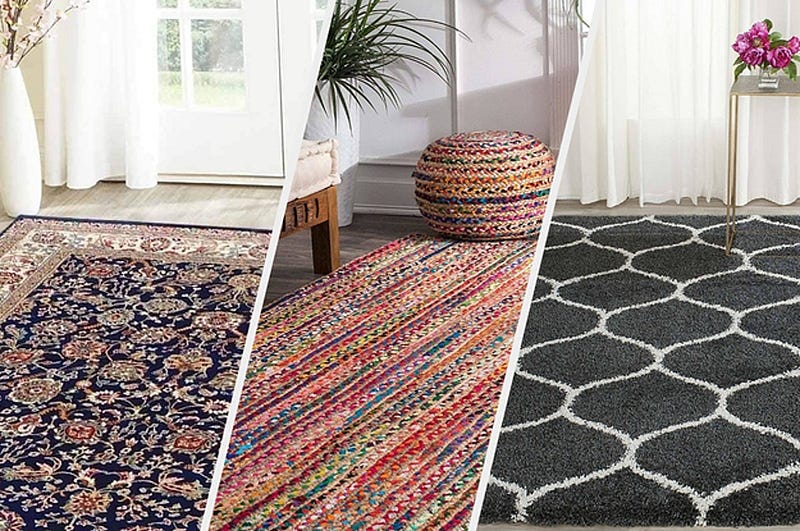
Carpets have adorned human spaces for centuries, evolving from simple floor coverings to symbols of art, tradition, and comfort. Whether handwoven in the hills of Persia or machine-made in modern factories, carpets remain an essential element of interior décor across the globe. They do more than just cover a floor — they tell stories, enhance aesthetics, and offer warmth underfoot.
The Cultural Significance of Carpets
Historically, carpets have played a vital role in many cultures, especially in the Middle East, Central Asia, and parts of Africa. In Persian and Turkish societies, carpets are not just functional items but cherished pieces of heritage, often passed down through generations. Each motif, color, and pattern holds symbolic meaning, representing local traditions, tribal identities, and religious influences. Owning a hand-knotted carpet in such regions is akin to owning a piece of history.
Function Meets Art
In modern interior design, carpets serve both functional and aesthetic purposes. Functionally, they insulate floors, reduce noise, and provide a cushioned surface for walking or sitting. Aesthetically, they act as centerpieces that tie a room’s theme together — adding color, texture, and pattern to what might otherwise be a cold or bland space. Whether it’s a minimalist jute rug in a Scandinavian home or an ornate silk carpet in a traditional Indian living room, the impact is immediate and lasting.
Variety and Versatility
The global carpet industry offers a rich variety of styles and materials, from plush wool rugs to affordable synthetic blends. Natural fibers like wool and cotton provide durability and warmth, while silk adds a luxurious sheen suitable for formal spaces. Carpets come in every size, shape, and color imaginable, making them adaptable to any room — from compact bedrooms to expansive lobbies. Moreover, modern carpet tiles and modular rugs provide flexible flooring solutions for commercial spaces.
Sustainability and Innovation
With growing environmental awareness, the carpet industry is embracing sustainable practices. Many manufacturers now produce carpets using recycled materials or natural dyes, and some even design biodegradable rugs. Technological innovations have also made carpets easier to clean, more stain-resistant, and longer-lasting. These advancements ensure that carpets remain a practical and eco-friendly choice for the modern consumer.
A Carpet for Every Story
Every carpet has a story — from the weaver’s intent to the journey it takes into someone’s home. It might represent a family’s heritage, a traveler’s souvenir, or a couple’s first home purchase. Its patterns may evoke distant lands, its colors might spark childhood memories, and its softness may offer comfort after a long day. In this way, carpets are more than decorative items; they are storytellers.
Conclusion
Carpets muscat continue to be cherished worldwide for their ability to merge function with beauty, tradition with trend, and luxury with comfort. Whether handcrafted or machine-made, minimalist or elaborate, a good carpet enhances any space it enters — weaving history, artistry, and coziness into everyday life.


Comments
Post a Comment