Patch-Work Rugs A Tapestry of Tradition and Craftsmanship
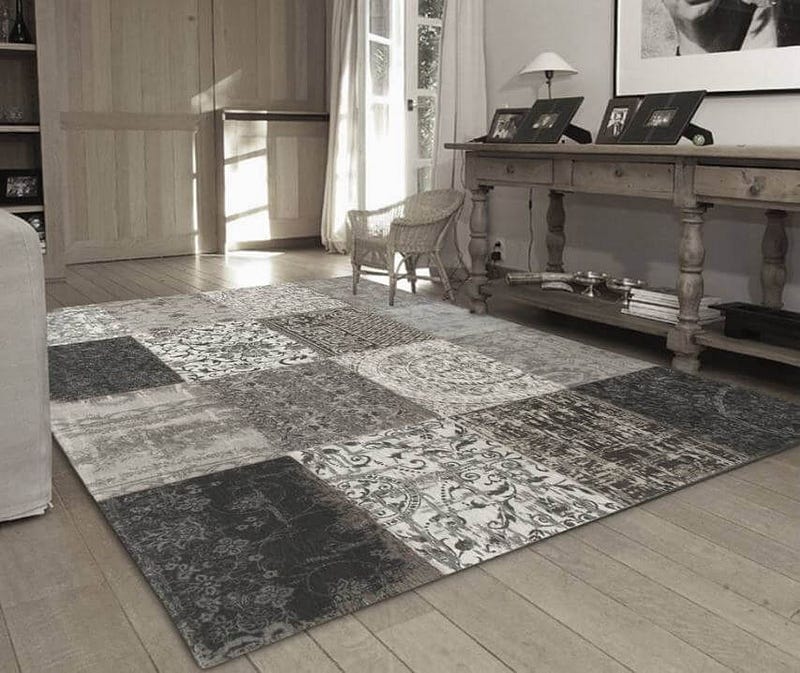
Patchwork rugs are a stunning fusion of tradition, craftsmanship, and cultural significance. These artistic pieces are not merely functional items for the home but rather intricate works of art that embody the rich history of their creators. Whether handmade or machine-made, patchwork rugs are designed by piecing together different sections of fabric, wool, or other materials to create a harmonious and visually captivating design.
The Origins of Patch-Work Rugs
The origins of patchwork rugs can be traced back to the practice of reusing old textiles or scraps of fabric, a common practice in many cultures, particularly those with limited resources. For centuries, this method has allowed artisans to create something beautiful and practical out of what would otherwise be discarded materials. In the early stages, patchwork rugs were often created out of necessity rather than aesthetics. They provided a way to make use of leftover pieces from worn clothing or other household items, thus reducing waste.
Over time, the skill involved in crafting these rugs evolved, and patchwork rugs became more of a statement piece than a purely functional object. In many cultures, such as those found in the Middle East, Central Asia, and parts of Europe, patchwork rugs were highly valued as symbols of artistic expression. This transformation in purpose marked the beginning of patchwork rugs as a beloved art form, with each piece telling a unique story through its materials and design.
The Craftsmanship Behind Patch-Work Rugs
Creating a patchwork rug requires great skill and patience. Artisans begin by selecting fabrics or wool, often in various colors, patterns, and textures. The individual pieces are then sewn or woven together using intricate techniques to form a cohesive whole. Some patchwork rugs are designed with specific motifs, such as floral patterns or geometric shapes, while others have more abstract or organic designs. The way the colors and patterns are arranged can drastically change the mood of a rug, making each piece a unique creation.
The materials used in patchwork rugs can vary greatly depending on the region and the resources available to the artisans. Traditional handmade patchwork rugs might feature wool, silk, or cotton, while modern variations might incorporate synthetic fibers. The choice of material is an important aspect of the rug’s quality and durability, as well as its overall aesthetic appeal.
The Artistic Expression in Patch-Work Rugs
What makes patchwork rugs particularly captivating is the fact that they are a form of artistic expression. Every stitch, every patch of fabric, tells a story of creativity, cultural heritage, and the skill of the person who created it. Patchwork rugs are not mass-produced items; they are one-of-a-kind pieces that reflect the individuality of the artisan and the traditions of the community they come from.
In modern design, patchwork rugs have taken on a new life. Many contemporary designers have embraced the concept of patchwork, adding a fresh twist to the traditional techniques. These modern rugs may incorporate more vibrant colors, geometric shapes, and even mixed media elements, making them a perfect fit for a wide range of interior styles, from traditional to avant-garde.
Conclusion: A Timeless Tradition
Patchwork rugs muscat are more than just decorative pieces — they are an enduring testament to human creativity, resourcefulness, and craftsmanship. With their rich history and diverse cultural roots, they continue to captivate people around the world. Whether you are drawn to the traditional handmade beauty of a vintage rug or the bold innovation of a contemporary piece, patchwork rugs offer something for everyone. Through their intricate designs and the stories they tell, patchwork rugs remain a cherished part of global textile heritage.


Comments
Post a Comment